From the Field: Rheinenergie Köln relies on the method of rehabilitation using installation kits and integrates it into existing workflows. The BBR is the technical journal that covers all aspects of water extraction and treatment, multi-medium pipeline construction, and district heating. In its current issue 10-2021 (page 69), the BBR reports on the in-situ rehabilitation method: The success rate is impressive.
Refurbishment of Built-In Fixtures
For us here in Germany, it’s completely second nature these days to turn on the faucet and always have access to an ample supply of—above all—safe drinking water. But behind this lies the responsible task of utility companies to ensure high safety standards and a densely branched pipeline network. We often don’t realize how important running water is until this taken-for-granted convenience is cut off—for example, during scheduled maintenance or a sudden water main break. However, underground valves make it possible to open or shut off only specific sections of the pipeline network. When it comes to controlling the flow of water, a fitting installed on the valve performs one of the most important functions—this becomes visible once the water utility technicians have opened the protective cover in the street. Due to the inevitable aging of the networks and the resulting ongoing maintenance work, damage to this component is not an isolated occurrence.
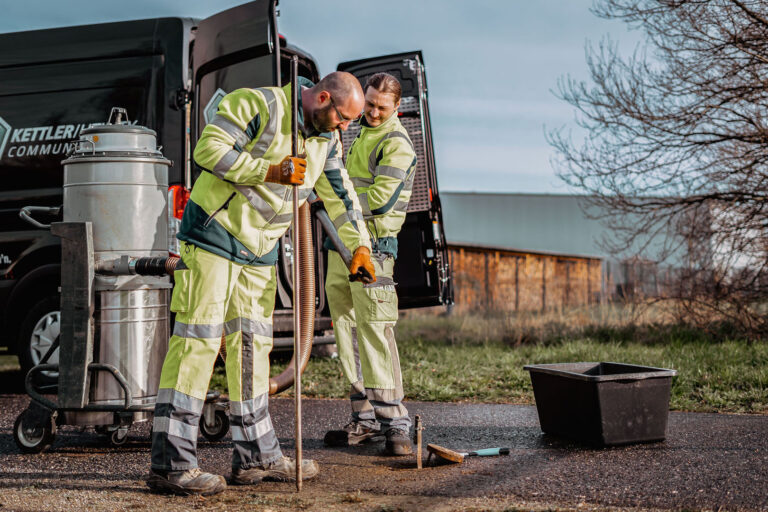
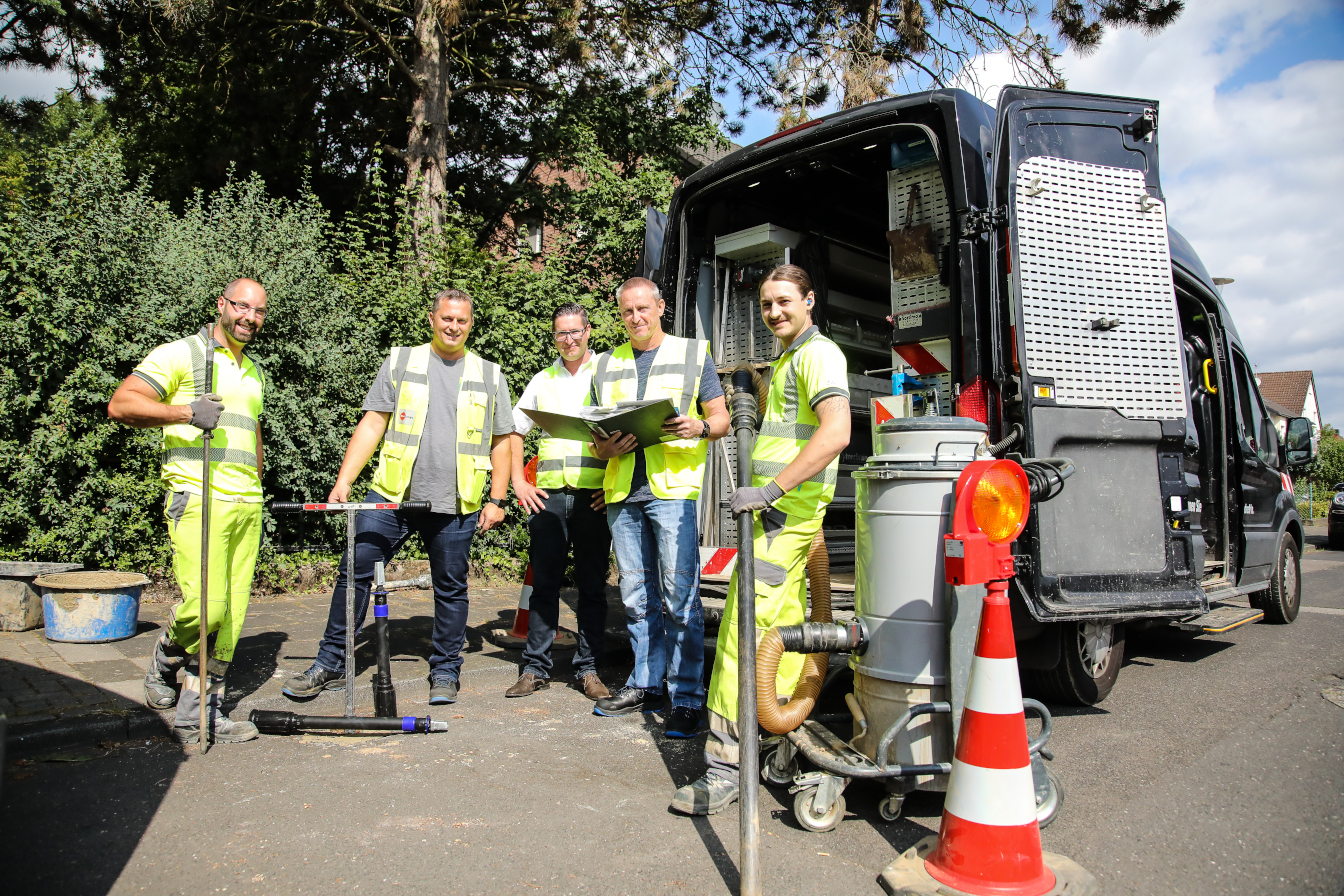
Kettler Utility Communication GmbH, based in Dorsten, North Rhine-Westphalia, addresses this very issue and supports utility companies in maintaining their networks through a trenchless service procedure for the rehabilitation of installation assemblies. This procedure has been carried out intensively and very successfully throughout Germany for two years now.
Pilot Project Successfully Transfers Technology to Practice
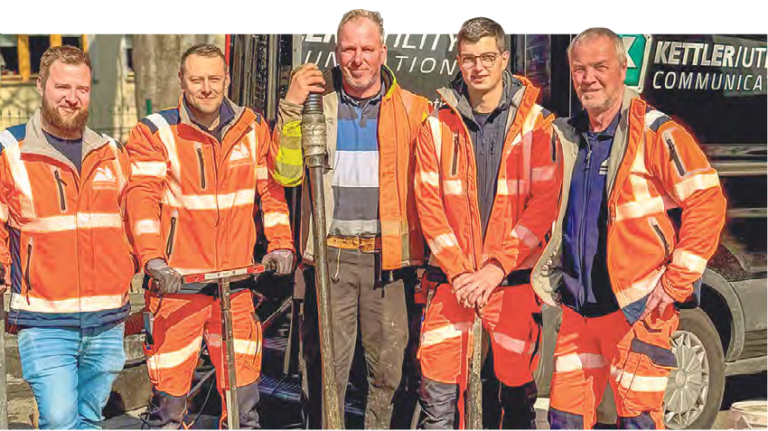
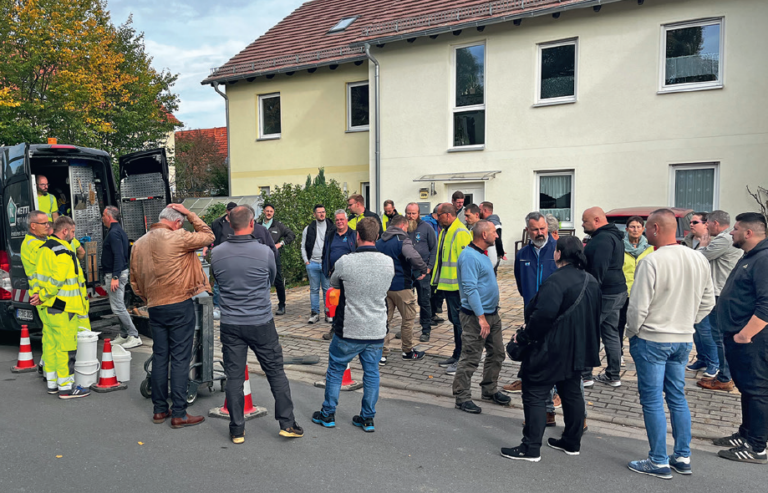
RheinEnergie, an energy service provider and water utility for Cologne and the surrounding area, has also integrated this innovative method into its existing workflows. As part of a pilot project in 2019, the company initially inspected 100 gate valves, 85 of which could be repaired directly through the manhole cover using the valve assembly rehabilitation method. Michael Blönigen of RheinEnergie is responsible for network maintenance. For him, the advantages of the method lie primarily in its ability to provide quick and efficient repairs: “By applying this method to the RheinEnergie network, we were able to minimize the disruption to residents, as it eliminated the need for civil engineering work and lengthy road closures. As a result, 354 gate valves have been repaired since 2019 simply by replacing the control element—the installation assembly—through the manhole cover.”
What Makes This Method So Successful
Unlike conventional methods, this approach eliminates the need to excavate a trench with an excavator—and the resulting major disruption to the road network—as well as the subsequent restoration of road surfaces. Trenchless pipe rehabilitation takes only about 2.5 hours on average. This allows between three and four projects to be completed each day. This method pays off especially in inner-city areas with heavily trafficked main roads or narrow side streets. In addition to the time savings, another advantage is the minimization of the risk of damaging other utility lines—such as power, fiber-optic, or gas lines—while working within an increasingly dense infrastructure network. The results speak for themselves: About 90% of the pipe fittings can be restored to working order using this method through the manhole cover.
Michael Blönigen and Kettler are looking to the future together: “We’re currently working together to apply the method to so-called KKS-protected pipes in order to achieve maximum benefit for RheinEnergie. Fitting rehabilitation: an innovative process that not only makes the water utility technicians’ jobs easier but also contributes to a high-performance pipeline network in a way that is both cost-effective and environmentally friendly. For water that flows flawlessly from the tap—today and in the future.
Source BBR, Issue 10/2021 (p. 69)