Skip to content
spindle extensions

Rehabilitation instead of civil engineering.

Up to 90% of all defective pipe fittings can be restored to working order without having to break up the road. This saves time and money and minimizes disruption to the existing infrastructure.

Why dig it up at all?

Does it really have to be dug up?
In many cases: No.

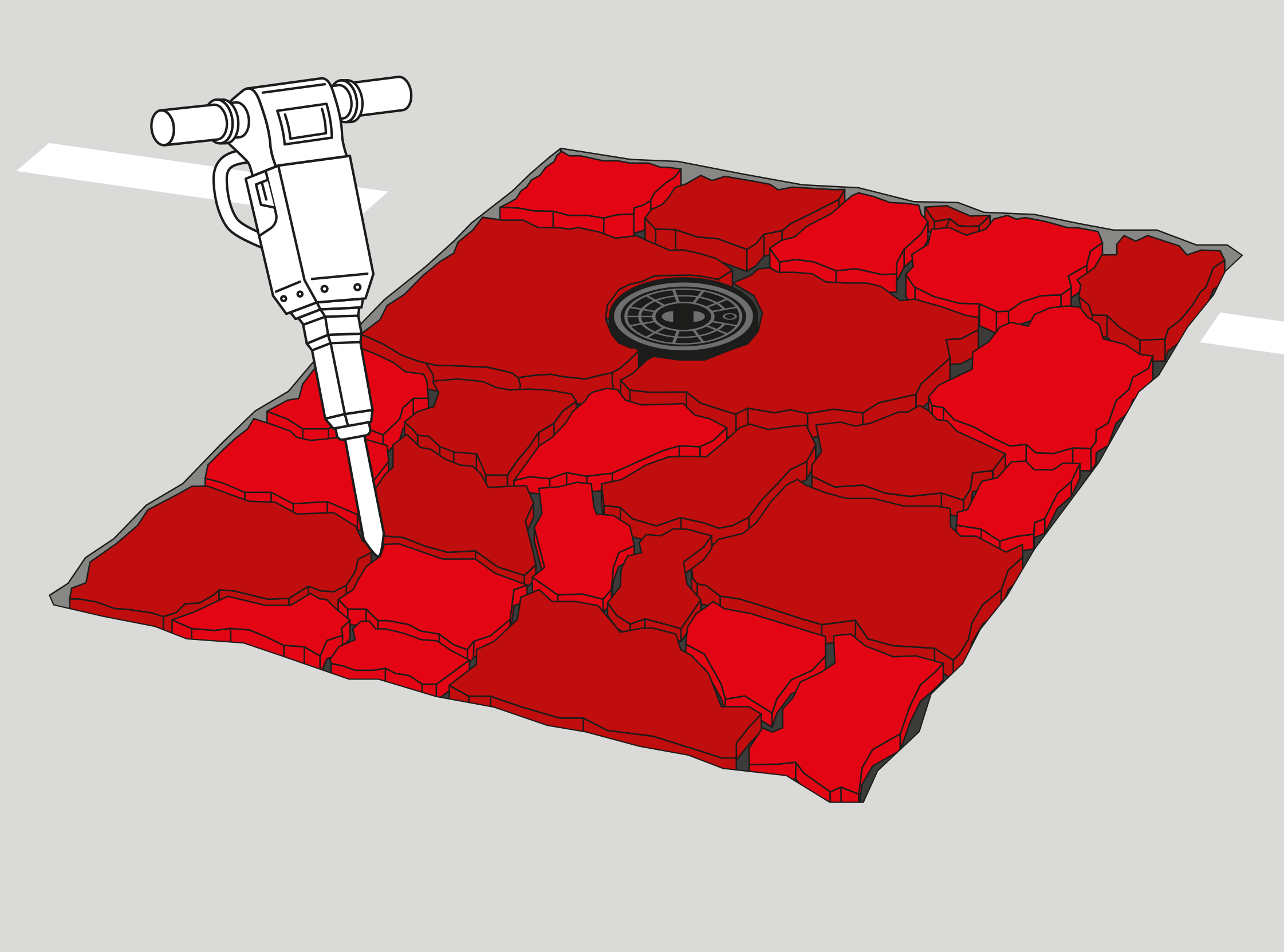
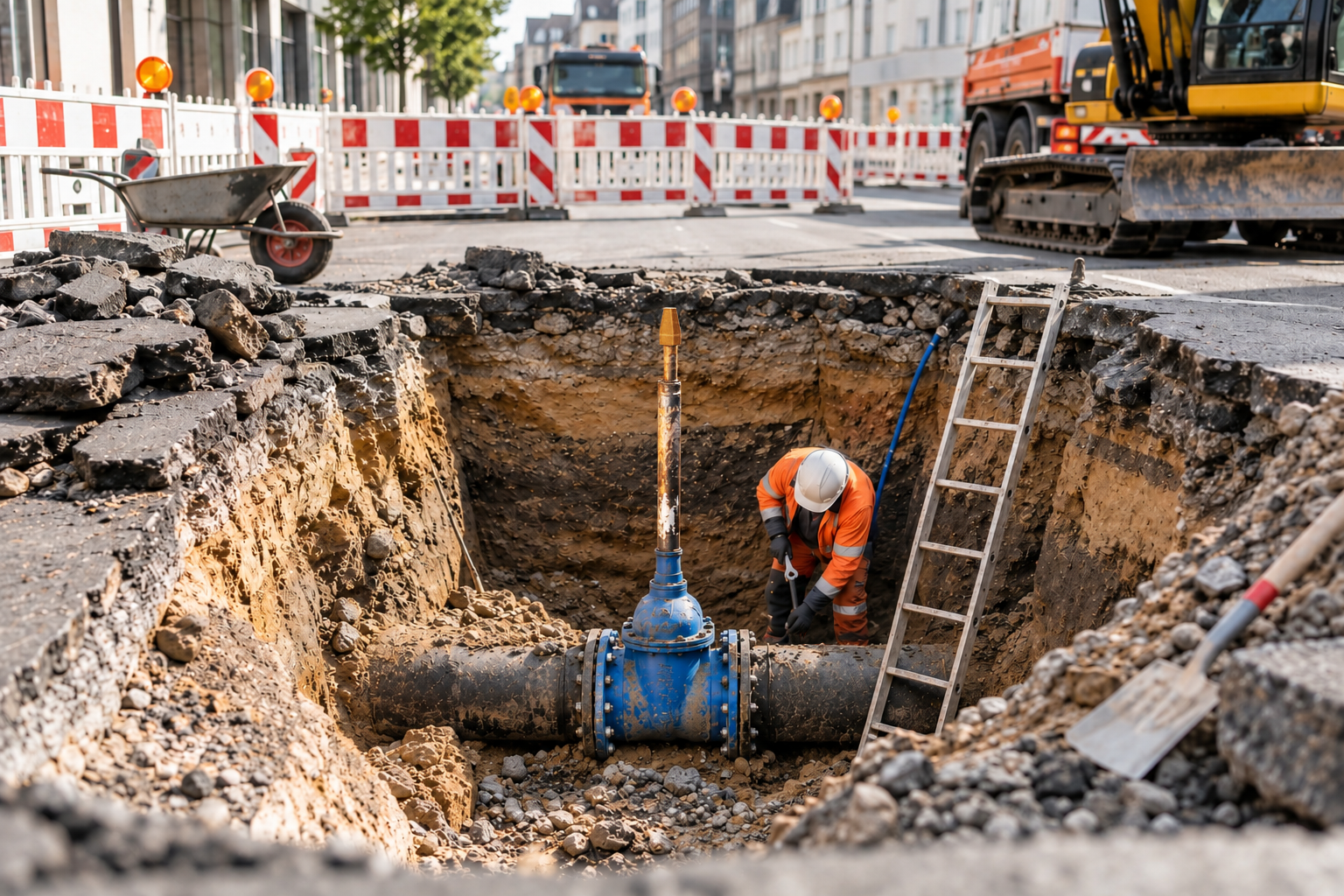
For decades, civil engineering crews have been excavating and replacing defective pipe fittings. The process works. However, the actual effort involved usually does not stem from the pipe fittings themselves, but rather from road excavation, excavation pits, traffic management, and surface restoration.

Conventional Process

Excavation · multiple trades
  1. 1
    Create a hole for the head
  2. 2
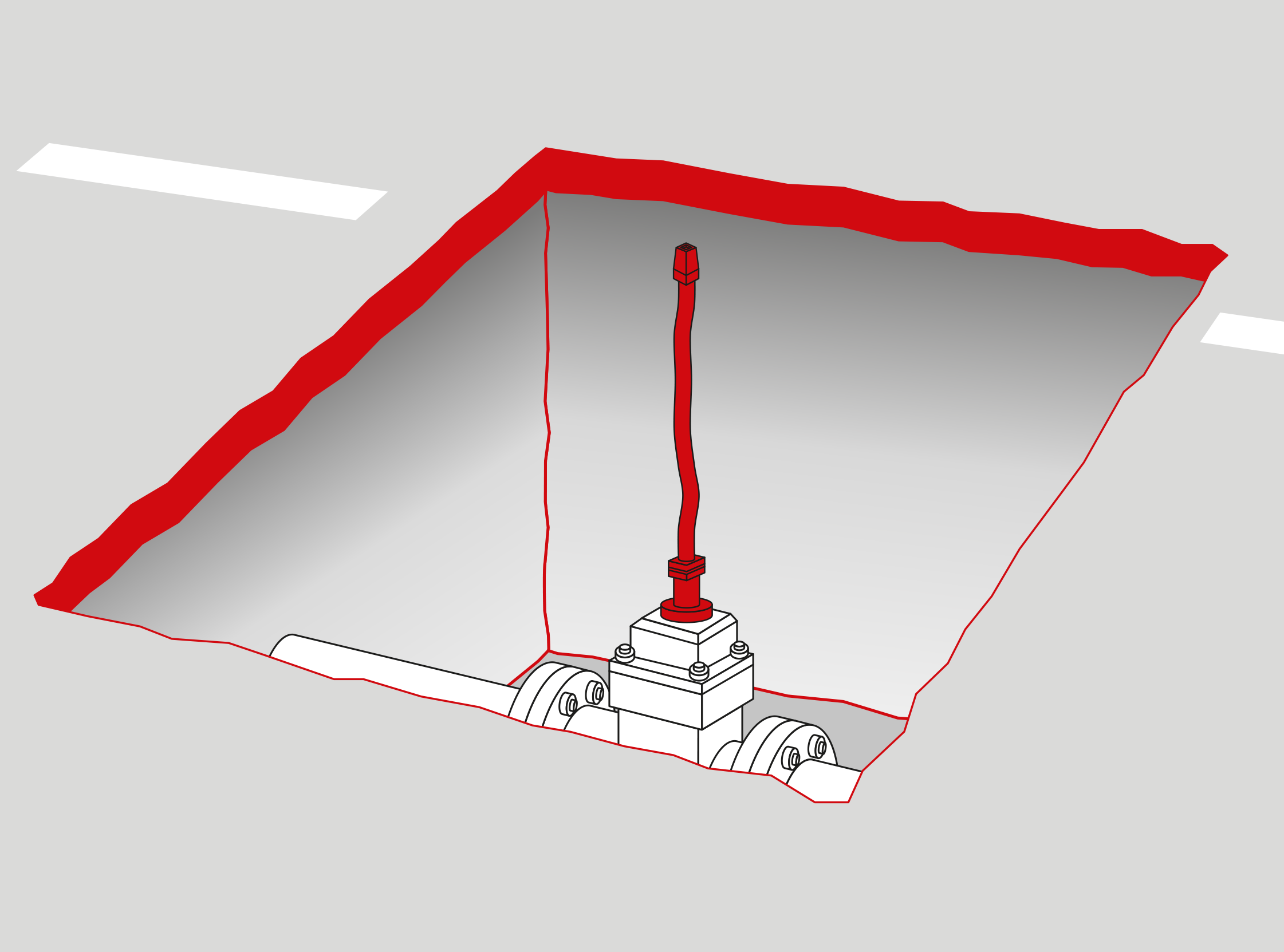
    Expose the faucet and replace the defective faucet assembly
  3. 3
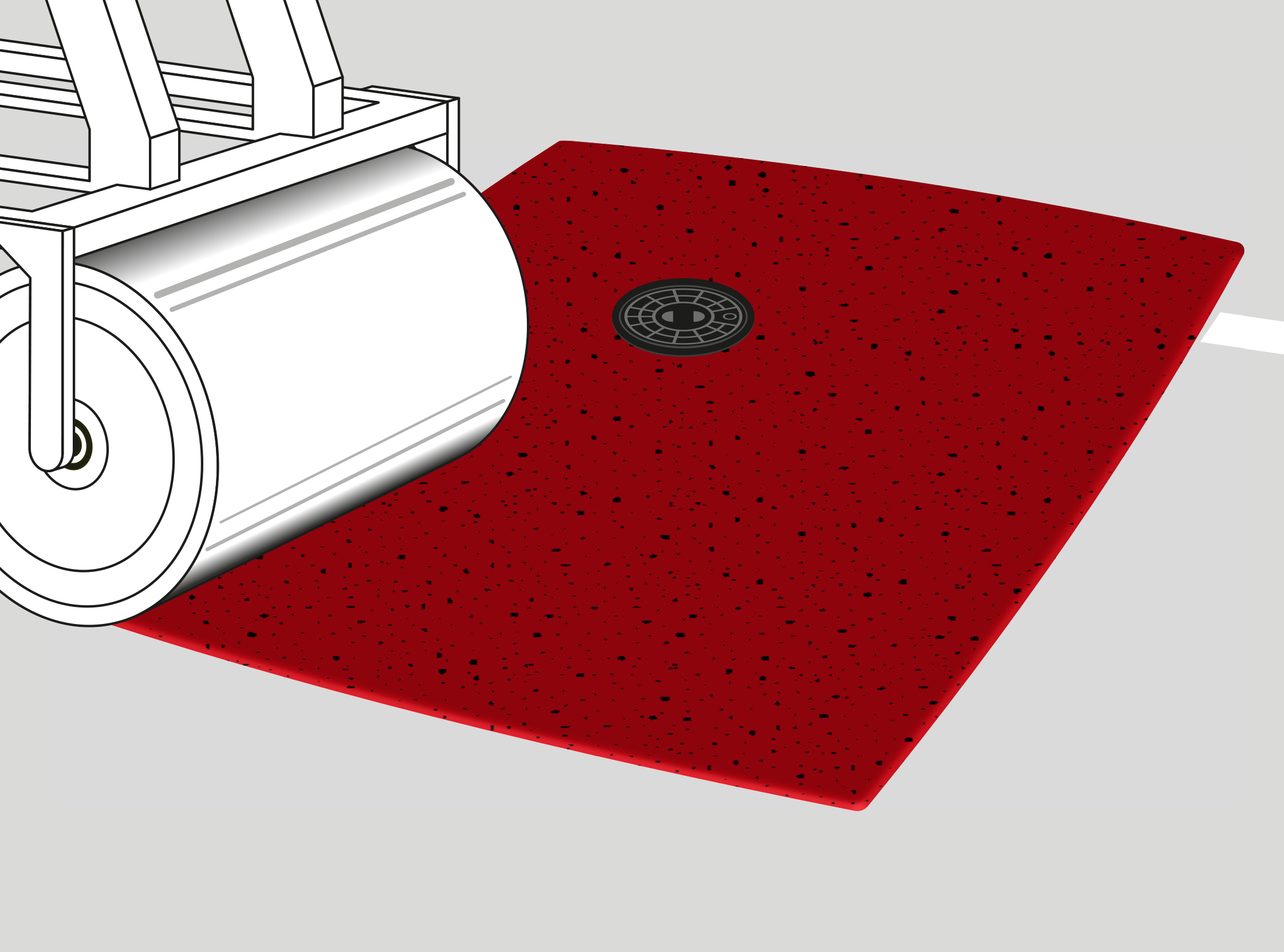
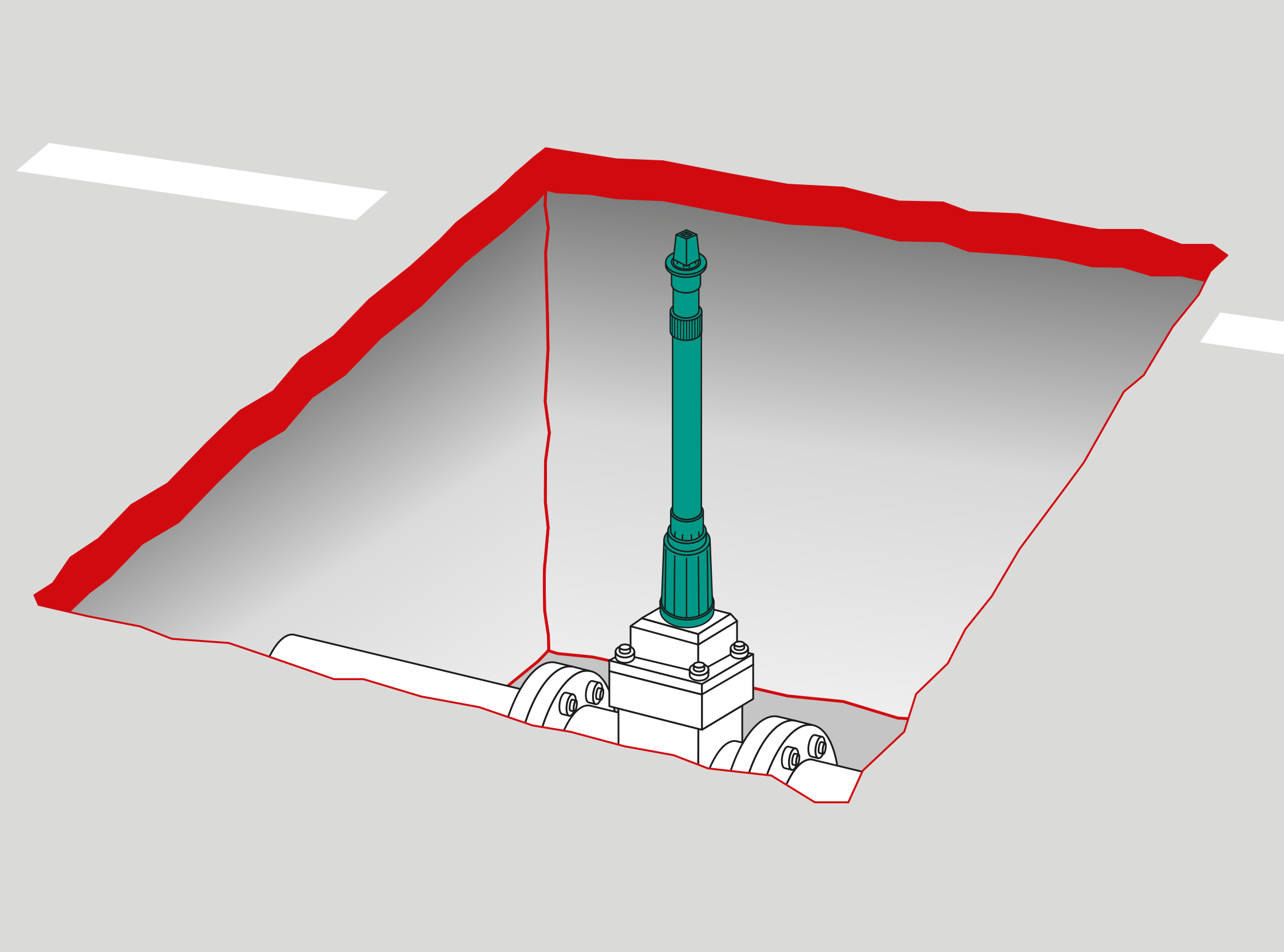
    Install the new fixture set and backfill
  4. 4
    Restore Surface

KUC Built-In Faucet Sets—Renovation

Approx. 2.5 hours · no excavation required
  1. 1
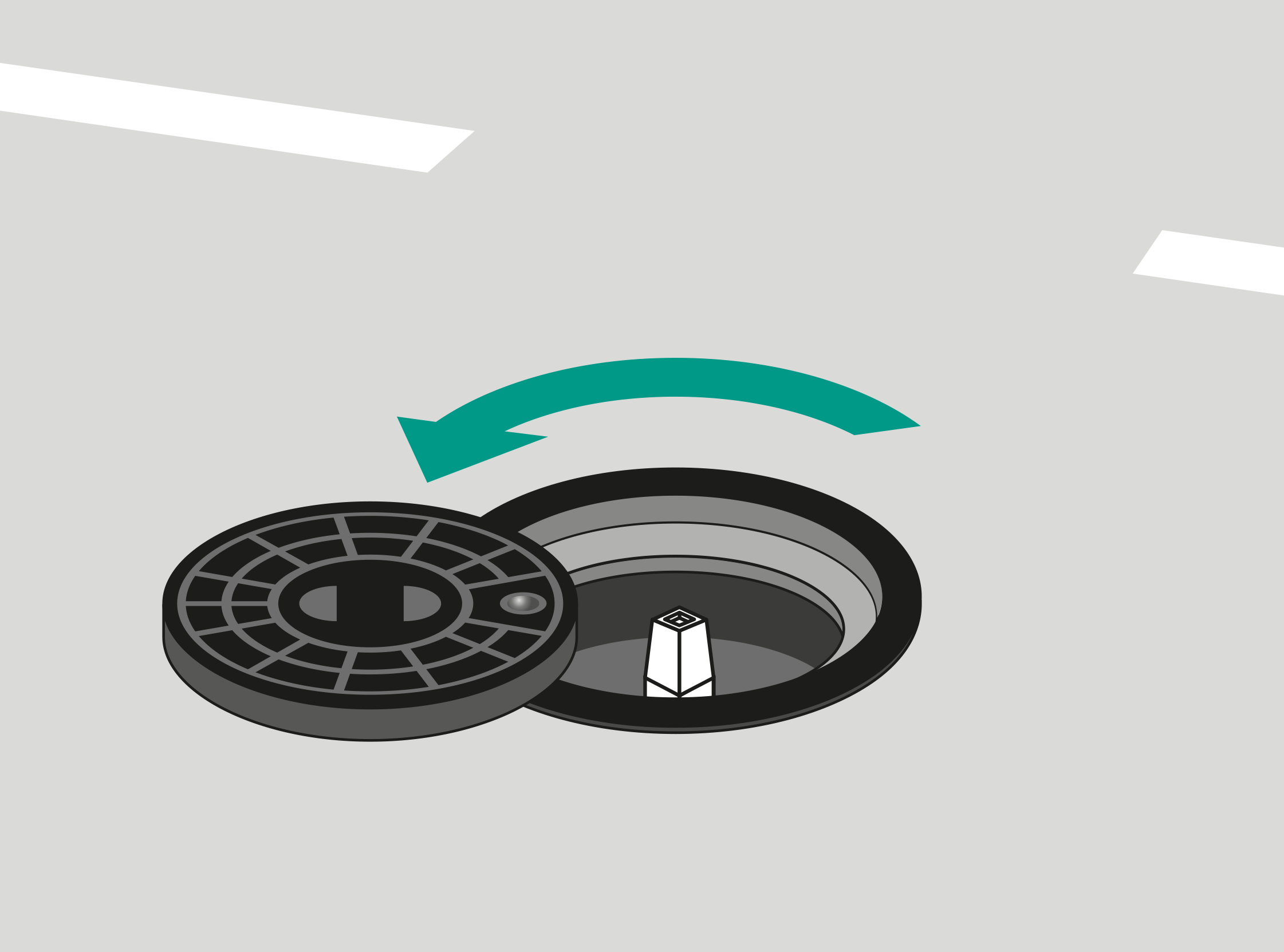
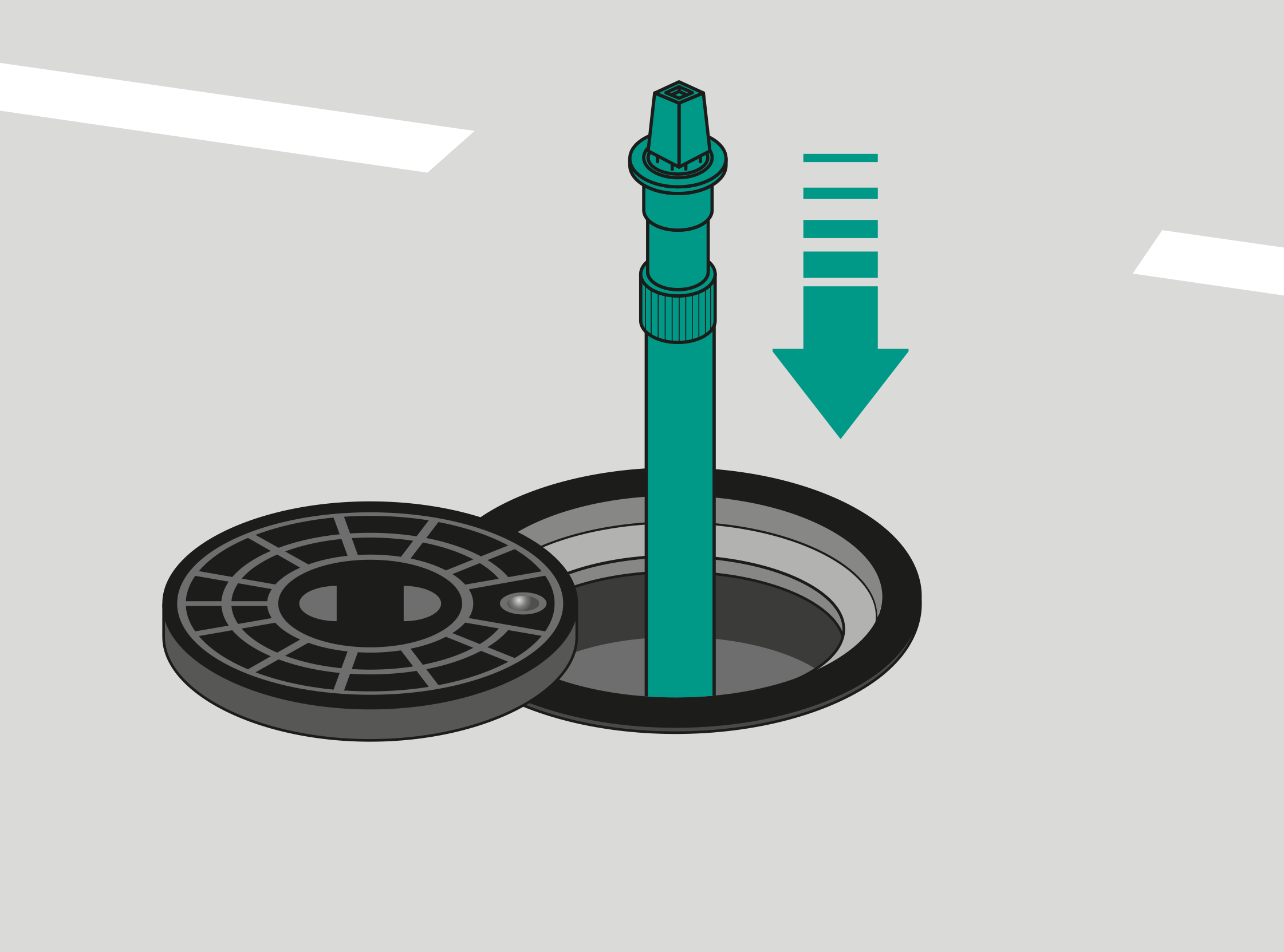
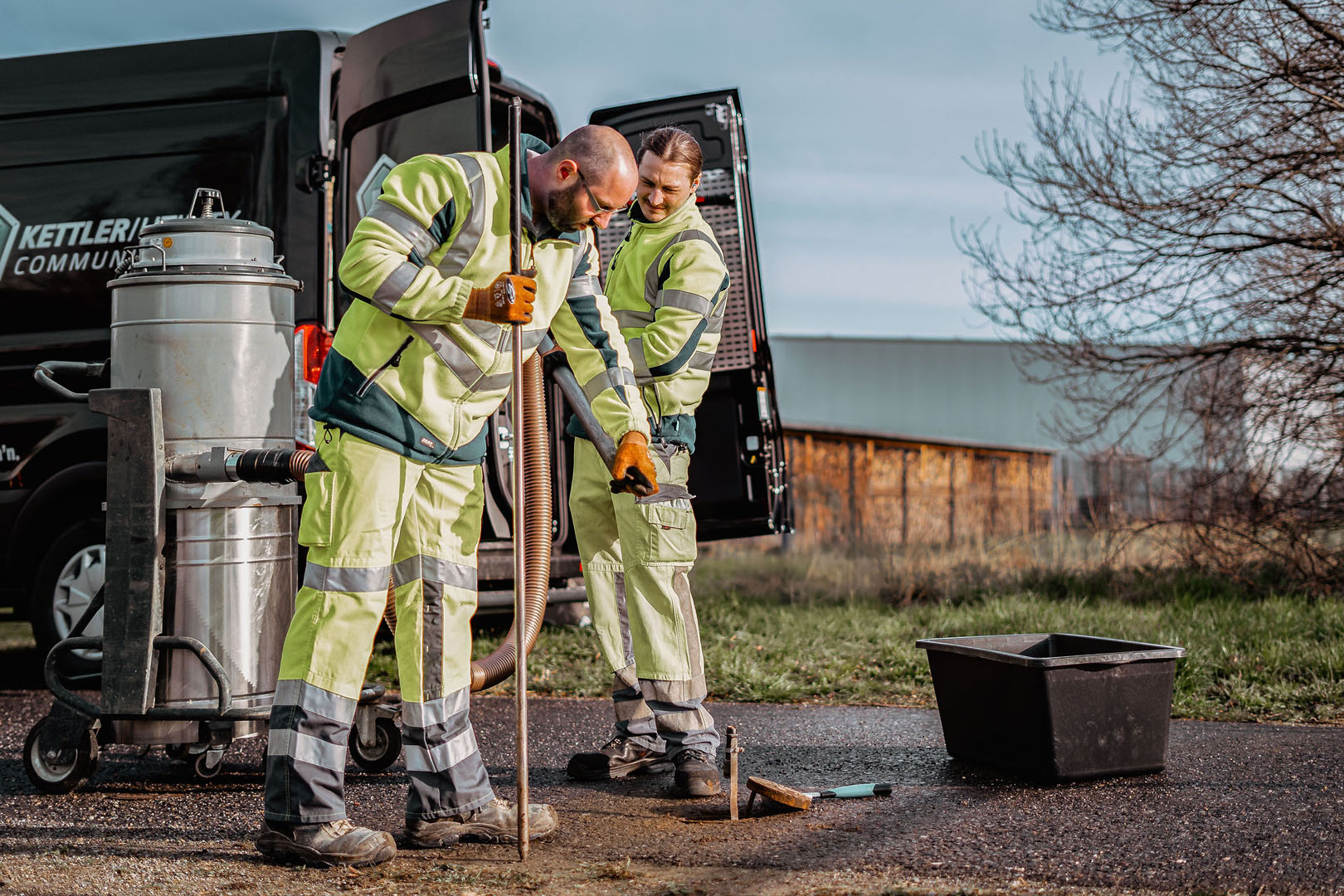
    Open the manhole cover and create a ring space
  2. 2
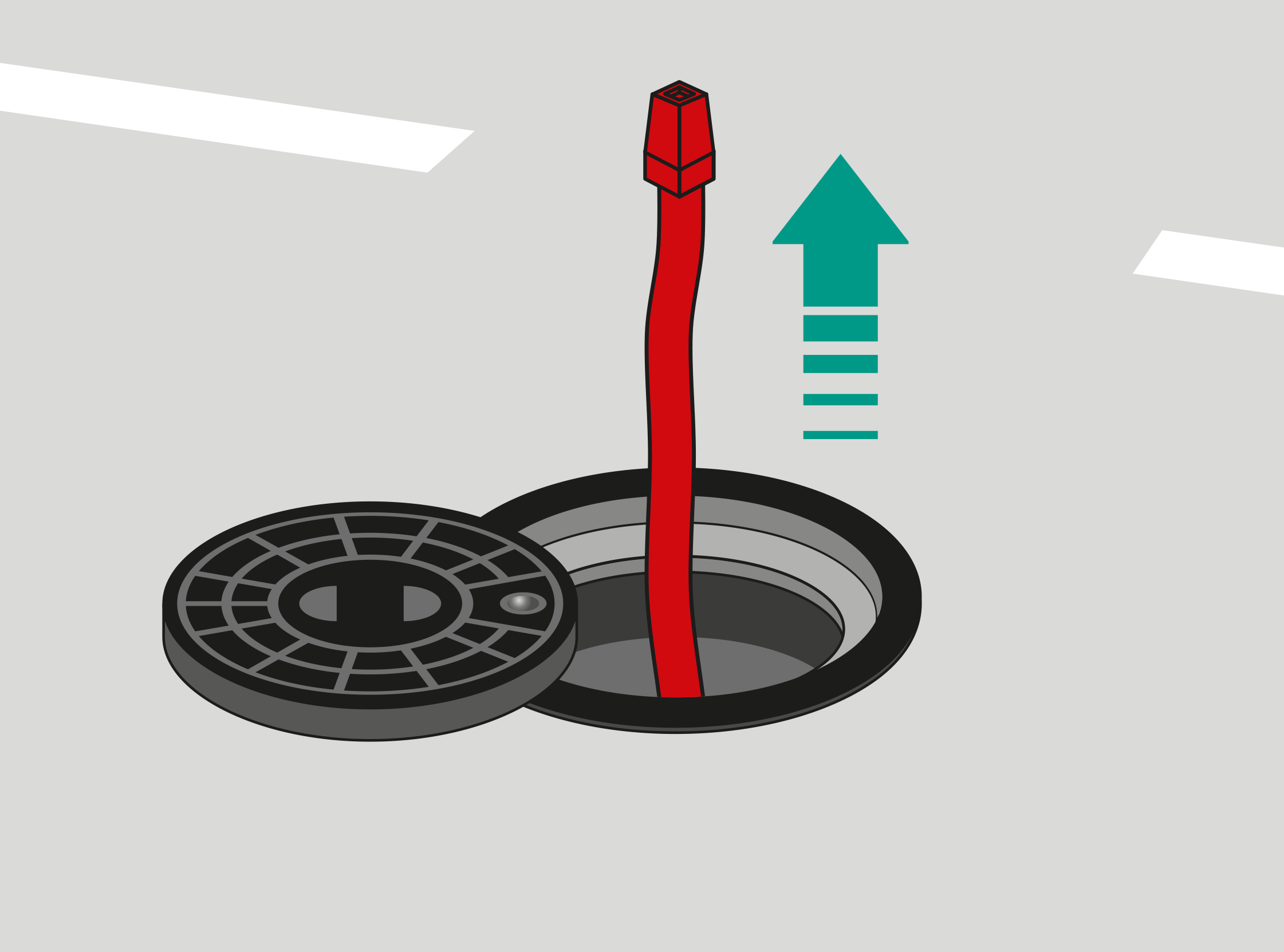
    Remove the defective faucet assembly and inspect the faucet
  3. 3
    Install a new built-in set
  4. 4
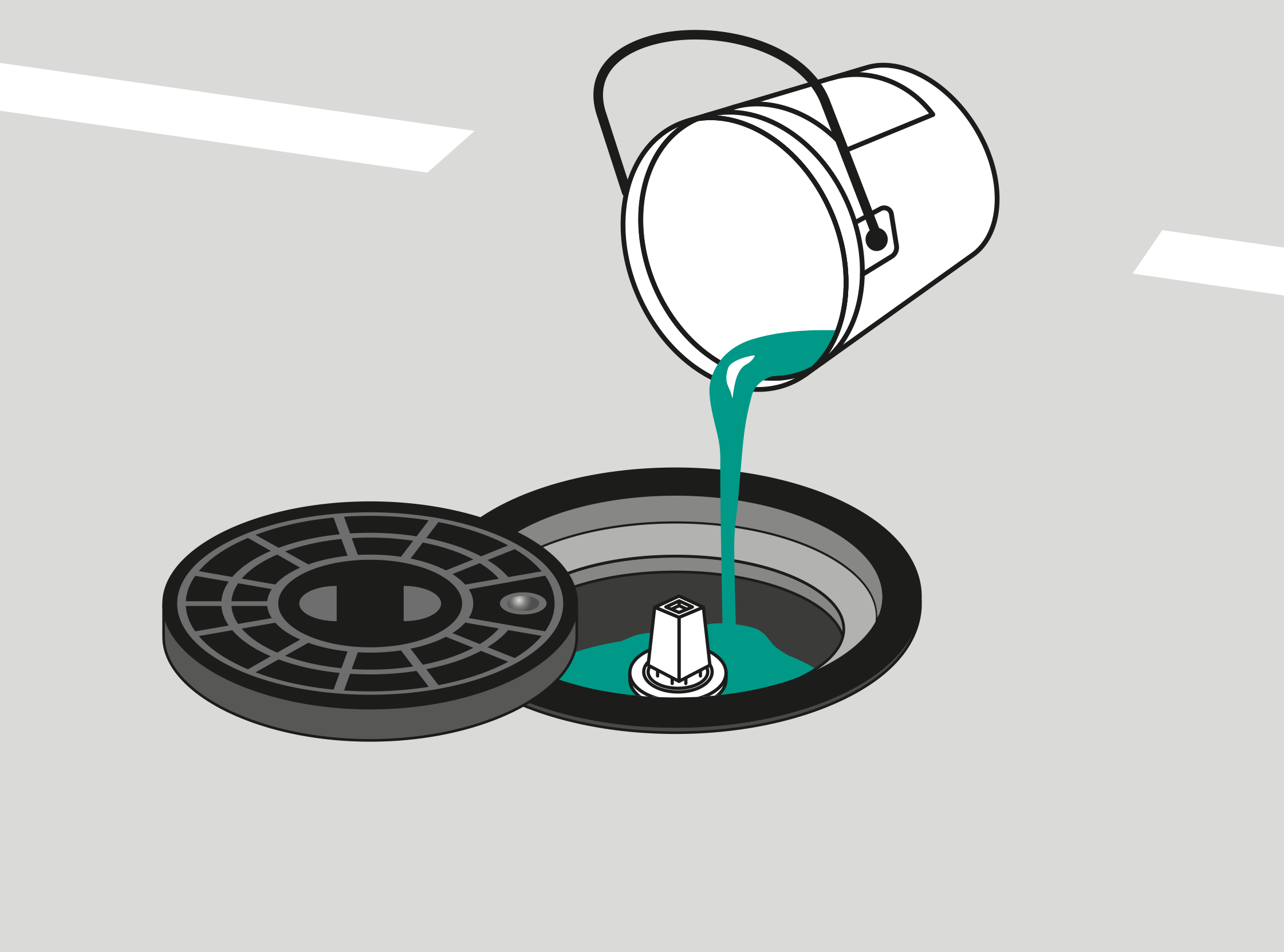
    Fill the annular space with liquid soil
Direct Comparison

Conventional civil engineering or KUC rehabilitation?

Criterion
ConventionalCivil Engineering to Date
NeuKUCRehabilitation
Access to the Fitting Road excavation required Working through the existing manhole cover
Excavation pit Excavation required No excavation pit
Surface Surface Restoration No surface restoration
Traffic Traffic Safety Measures and Detours A quick repair right at the manhole cover
Participants Several trades involved A Streamlined Workflow
Risk High Risk of Damage to Third-Party Lines Minimal invasiveness, low risk
Duration performance runs lasting several days Approx. 2.5 hours—multiple activities per day are possible
Costs High Costs Significantly more economical
You have nothing to lose

Rehabilitation first.
Civil engineering only if necessary.

~90% Success rate for defective installation kits

With a success rate of about 90%, rehabilitation offers the possibility of restoring the functionality of a large portion of damaged fixtures without resorting to traditional civil engineering measures.

And what if rehabilitation isn't technically feasible? In that case, traditional civil engineering remains a proven alternative at any time. You have the opportunity to avoid unnecessary civil engineering work.

Assess Potential
Your advantages at a glance

Less effort. Greater grid security.

01

Lower Costs

Reduction of civil engineering, transportation, and restoration costs.

02

Greater Network Security

Properly functioning valves increase the operational reliability of your network.

03

Less Risk

The minimal intrusion reduces the risk of damage to third-party lines.

04

Fewer construction sites

Less disruption for residents and traffic—greater acceptance.

05

Less intervention. Less effort.

Less effort required for civil engineering, material usage, and construction site logistics.

06

More Speed

Rapid troubleshooting. Valves can be operated reliably in an emergency.

References

Proven in practice.

  • 100 valves tested in a pilot project
  • 85 successfully rehabilitated
  • By 2021: 354 valves repaired
  • Over 400 rehabilitation programs completed
  • Long-term collaboration
  • Digital Integration into Existing Processes
  • 9 defective installation kits
  • Complete the course in just 1.5 days
  • Significantly faster than open-frame construction
Additional references available upon request:

We'd be happy to provide you with contacts from similar projects. Please feel free to reach out to us directly.

Frequently Asked Questions

Your Questions – Our Answers.

What is a built-in fixture restoration?

A manhole assembly rehabilitation is a minimally invasive procedure performed directly through the manhole cover. In this process, defective manhole assemblies are restored to working order or replaced with new ones.

What is the procedure?

A ring-shaped space is created up to the top of the faucet by suction. An assessment of the current condition of the connection between the installation kit and the faucet is then performed. Depending on its condition, the defective installation kit is either repaired or completely replaced.

In which areas can this method be applied?

This procedure is used in underground pipeline construction for installation kits mounted on heavy-duty fittings. The medium can be water, wastewater/drainage, or gas. Specific protective measures are applied depending on the medium. The street manhole cover should have an internal diameter of at least 90–100 mm*. This allows for the installation and removal of components, as well as the proper assembly of all parts, later on. *If the diameter is less than 90 mm, a case-by-case review is required.

Up to what installation depth is rehabilitation possible?

This method can be used up to a depth of about two meters, as the suction power of our mobile vacuum cleaner is limited. Therefore, we cannot guarantee success for depths greater than two meters.

What are the requirements?
  • As preliminary information, we need a completed questionnaire regarding the installation kit, the fixture, and the installation conditions, to the extent that this information is known. Photos of the visible part inside the manhole cover and of the local conditions are also helpful. We would be happy to send you the questionnaire.
  • Prior to the construction project, the client shall secure the necessary traffic control orders (VAO) as well as the appropriate excavation permits.
  • During the construction project, the client will arrange for the necessary traffic safety measures and provide a traffic director familiar with the area.
How long does rehabilitation take?

The average duration of a rehabilitation session is approximately 2.5 hours.

Is this process also possible with rising spindles?

This must be evaluated on a case-by-case basis, as tensile forces act on the cotter pins when the old linkage is disassembled, and the spindle could be pulled out of its guide. Please feel free to contact us—together, we’ll determine whether refurbishment is possible in your case.

Is it possible to hold the event at night as well?

Upon request, we also work at night. Especially in large cities with heavy traffic, conducting work at night can be a good idea to avoid major disruptions. The time window from 8:00 p.m. to 6:00 a.m. has become standard.

Who is responsible for the road closures?

We provide the barrier materials required for the work in accordance with the BIV/II regulations. Any additional barrier measures required will be carried out by a partner company upon request. You, as the utility provider, may also set up the barriers yourself.

Does rehabilitation lead to subsidence of the surface?

Our process prevents surface subsidence. We work exclusively within a ring-shaped space that matches the dimensions of the interior of the manhole cover. After successful rehabilitation, the ring-shaped space is refilled with our special liquid pavement up to the lower edge of the manhole cover. The cured liquid pavement achieves sufficient load-bearing capacity, so that subsidence is not a concern even with heavy-duty traffic. We would be happy to send you a data sheet for our liquid soil upon request.

Non-binding inquiry

Check the potential.

Please provide us with the utility, service area, and the approximate number of defective installation kits. We will determine whether rehabilitation is possible and get back to you with an assessment and a quote.

Direct Contact

+49 (0) 2369 9182-0

info@kettler-kuc.de

KETTLER UTILITY COMMUNICATION GmbH · Köhlerstraße 8 · 46286 Dorsten-Wulfen

No obligation. We'll get back to you with an assessment of feasibility and a suitable quote.